


Building Your Dream 6x8 Shed: A Materials Guide
So, you're ready to build your own 6x8 shed! That's awesome! It’s a rewarding project, and you'll save a ton of money compared to buying a pre-built one. But before you grab your hammer, let's talk about the materials. This guide will walk you through everything you'll need, from the foundation to the final roofing nail. We’ll break it down step-by-step, so you don't get overwhelmed (trust me, I’ve been there!).
Foundation First: Getting a Solid Base
Your shed needs a strong foundation. This isn't just about aesthetics; it's about longevity and preventing rot. You've got a few options here, and your choice will impact some of the other materials you need.
Concrete Slab Foundation (Most Durable):
This is the most robust option, offering excellent stability and protection from moisture. You’ll need:
- Concrete: Calculate the volume needed based on your 6x8 footprint and desired thickness (usually around 4 inches). Get a ready-mix from a supplier, or mix your own if you're feeling ambitious (it's a workout!).
- Gravel or Crushed Stone: A base layer of about 4 inches will help with drainage and prevent settling.
- Rebar (Reinforcing Steel): This adds significant strength to your slab, particularly important for a 6x8 shed that might withstand some wind.
- Forms (Wooden Boards): To contain the concrete while it sets.
- Concrete Mixing Tools: Shovel, wheelbarrow, possibly a concrete mixer (rentals are readily available).
Gravel Base (Simpler, Budget-Friendly):
A simpler and less expensive option is a gravel base. It’s less durable than concrete, but perfectly suitable if your soil is well-drained and your shed isn't carrying heavy loads.
- Gravel or Crushed Stone: A layer of at least 6-8 inches, well-compacted.
- Weed Barrier Fabric (Landscape Fabric): To prevent weeds from growing through the gravel.
Pressure-Treated Lumber Skids (Easy, But Needs Good Drainage):
If you're aiming for the quickest and easiest setup, pressure-treated lumber skids are an option. However, ensure your soil drains well to avoid wood rot. You'll need:
- Pressure-Treated Lumber (4x4s or 6x6s): Cut to the appropriate length to support your shed.
- Concrete Blocks (Optional): To elevate the skids off the ground for better air circulation.
Framing: The Shed's Skeleton
This is where the structure takes shape. You'll need strong, straight lumber.
- Pressure-Treated Lumber (4x4s): For the corner posts and base supports. Pressure-treated is crucial for longevity, especially in contact with the ground or potential moisture.
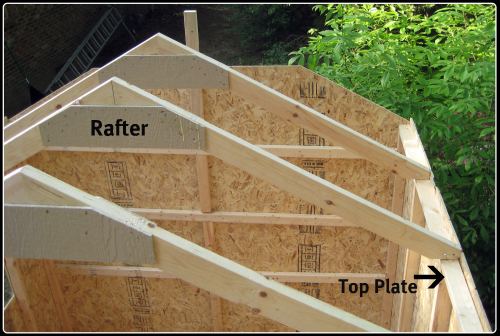
- Pressure-Treated Lumber (2x4s): For the wall studs, roof rafters, and other framing members. Again, pressure-treating is recommended for long-term durability.
- Plywood Sheathing (1/2 inch): To cover the walls and roof, providing a solid surface for siding and roofing.
- Joist Hangers and Connectors: These metal brackets ensure strong, secure connections between different framing members. Don't skimp on these â€" they're essential for structural integrity.
- Framing Nails or Screws: Plenty of nails or screws of appropriate sizes for your lumber.
- Level, Tape Measure, Speed Square: Essential tools for accurate framing.
Siding: Protecting Your Shed
Siding protects your shed from the elements and enhances its appearance. You have plenty of choices here!
- Vinyl Siding: Low maintenance and comes in a variety of colors. Easy to install, but can be damaged by impact.
- Metal Siding: Durable and weather-resistant, offering excellent protection. Can be noisy in high winds.
- Wood Siding (e.g., T1-11): A classic look, but requires more maintenance (painting or staining). Offers a nice aesthetic but needs regular upkeep.
- Siding Nails or Screws: Make sure to get the right fasteners for your chosen siding material.
Roofing: Keeping the Inside Dry
The roof is vital for protecting your belongings. Choose a material that's appropriate for your climate and budget.
- Roofing Felt (Tar Paper): Underlayment to protect the sheathing and provide a waterproof base for the shingles.
- Asphalt Shingles: A common and relatively inexpensive choice, available in various colors and styles.
- Metal Roofing: Durable and long-lasting, but more expensive than asphalt shingles.
- Roofing Nails: Galvanized nails are recommended for their rust resistance.
Doors and Windows (Optional):
Adding a door and window(s) increases functionality and ventilation. Consider what you'll be storing in the shed.
- Pre-hung Door: Saves time and effort compared to building your own.
- Window(s): Choose a size and style that suits your needs and budget. Consider ventilation and light.
- Door and Window Hardware: Handles, hinges, and any necessary locking mechanisms.
Finishing Touches:
Don't forget the little things that make a big difference!
- Paint or Stain (for exterior wood): Protects the wood and enhances the appearance.
- Caulk: Seals gaps and cracks, preventing drafts and moisture intrusion.
- Flashing: Metal strips to prevent water from entering around windows and doors.
Commonly Asked Questions
Q: How much will this cost? A: The total cost varies significantly depending on the materials you choose. A basic shed using less expensive materials might cost around $500-$1000, while a more upscale shed with better materials could easily cost $2000 or more.
Q: What tools do I need? A: You'll need a variety of tools, including a saw (circular saw or hand saw), hammer, measuring tape, level, drill, screwdriver, and potentially a nail gun (rentals are available).
Q: How long will it take to build? A: The construction time depends on your experience and the complexity of the design. A simple shed might take a weekend for an experienced builder, while a more elaborate shed could take several weekends for a novice.
Q: Do I need permits? A: Check with your local building department. Permit requirements vary by location.
Q: Can I build this alone? A: You can, but having a helper is strongly recommended, particularly for lifting heavy materials and working on the roof.
Building a shed is a fantastic project. With careful planning and the right materials, you'll have a sturdy, functional, and satisfying addition to your property! Remember to always prioritize safety, take your time, and enjoy the process!
0 comments:
Post a Comment
Note: Only a member of this blog may post a comment.